Korea is where a large share of the world's skincare and makeup is now designed and made. In 2025 it passed the United States to become the world's second-largest cosmetics exporter, behind only France, with a record $11.4 billion in exports, up 11.8% on the year (Korea's Ministry of Food and Drug Safety). Skincare made up about three-quarters of that, and the United States became Korea's single biggest export market for the first time. Most of this runs through contract manufacturers building products for brands all over the world.
For a founder, the useful first step is to understand the landscape before picking a partner. "Korea" is not one factory. It's a deep, layered manufacturing base where companies sit at very different scales and specialize in very different things. This guide maps that landscape: what OEM and ODM actually mean, the fifteen largest manufacturers and what each is known for, how the industry is structured, and what to look at when you start your own search.
At Crescent Seoul, we work with these manufacturers from inside Korea, coordinating production for indie brands abroad, so the notes here come from dealing with them directly rather than from a list compiled at a distance.
The 15 biggest Korean cosmetics manufacturers
The list below is ordered by cosmetics manufacturing revenue, and limited to Korean companies that run their own factories in Korea. Read it as a map of who the major players are and what each is good at, not as a quality ranking of who you should use.
|
# |
Manufacturer |
Location |
Founded |
Known for |
Key certifications |
Notable brands |
|
1 |
Cosmax |
Seoul / Pangyo |
2002 |
Skincare + color; developed the modern cushion compact |
CGMP, ISO 22716 |
L'Oréal, Lancôme, YSL, Dr.Jart+, Clio, Beauty of Joseon |
|
2 |
Kolmar Korea |
Sejong |
1990 |
Skincare and sun care; Korea's first ODM |
CGMP, ISO 22716 |
Beauty of Joseon, SKIN1004, Olive Young brands |
|
3 |
Cosmecca Korea |
Eumseong |
1999 |
Base makeup; pioneered BB cream; US production |
CGMP, ISO 22716 |
Anua, Beauty of Joseon, Medicube; AmorePacific, LG H&H |
|
4 |
C&C International |
Hwaseong |
2013 |
Color (lip, point makeup); global-facing |
CGMP, ISO 22716, ISO 14001 |
Major US / European prestige and mass brands |
|
5 |
CNF |
Gunpo / Anseong |
1995 |
Korea's largest sheet-mask manufacturer; proprietary nonwoven |
CGMP, ISO 22716, ISO 9001/14001, EVE Vegan |
COSRX, Dr.Jart+, Mediheal, Isntree, Abib, Manyo |
|
6 |
Encos |
Osan |
2009 |
Sheet masks / mask packs |
CGMP, ISO 22716, ISO 9001/14001, EVE Vegan |
Laneige, Mediheal, COSRX, 3CE, Mamonde, Huxley |
|
7 |
Hankook Cosmetics Mfg. |
Eumseong |
1962 |
Broad skincare, color, functional |
CGMP, ISO 22716, ISO 9001/14001/45001, EVE Vegan, KMF Halal |
SKIN1004, CLIO, VT Cosmetics, rom&nd, NONFICTION, The Saem |
|
8 |
Cosvision |
Daejeon |
2012 |
Skincare and color; AmorePacific's ODM arm |
CGMP, ISO 22716 |
Innisfree, Etude, Mamonde |
|
9 |
BNB Korea |
Incheon |
2011 |
Skincare; clean-positioned brands |
CGMP, ISO 22716 |
d'Alba, Medicube, Dr.Pepti, Derma Factory, hyggee |
|
10 |
Hansol Bio |
Seongnam |
2012 |
Functional, skincare, base & color; naturals R&D with public institutes |
CGMP, ISO 22716 |
Boryung, GC Biopharma, Jayjun, Papa Recipe, Medipeel |
|
11 |
Cosmocos |
Incheon |
1992 |
Vegan, herbal, derma skincare; KT&G affiliate |
CGMP, ISO 22716, ISO 9001/14001/45001, EVE Vegan |
Anua, Dr.FORHAIR, numbuzin, Cell Fusion C |
|
12 |
Zenic |
Seongnam |
2001 |
World's first hydrogel mask developer; masks, patches, skincare (KOSDAQ-listed) |
CGMP, ISO-GMP |
Biodance, Laneige, Mediheal, Estée Lauder, Lancôme, GlamGlow; own brand CELEDERMA |
|
13 |
Hwasung Cosmetic |
Gimpo |
1975 |
Color specialist (pencil, stick, powder, liquid); developed Korea's first auto pencil |
CGMP, ISO 9001/14001/22716 |
MAC, NARS, Fenty Beauty, ILIA, Estée Lauder, Shiseido; AmorePacific |
|
14 |
GDK Cosmetics |
Pocheon |
2003 |
Skincare and sheet masks; automated mask production |
CGMP, ISO 14001/45001 |
Mediheal, Amway; AmorePacific |
|
15 |
New&New |
Cheonan |
2010 |
Skincare and color; full OEM/ODM |
CGMP, ISO 9001/14001 |
The Saem, Tonymoly, Missha, Able C&C, Atopalm |
Notable brands list a few recognizable examples each, not full client rosters; a dash means the detail isn't publicly disclosed.
Sources: revenue ranking is based on each company's public financial filings and audited statements; founding years, locations, and certifications are drawn from each manufacturer's own corporate and certification pages; brand relationships are compiled from manufacturers' published client and partner listings and reputable industry press. Export figures cited in this article are from Korea's Ministry of Food and Drug Safety (MFDS).
1. Cosmax
Korea's largest cosmetics ODM and one of the largest in the world. It develops across both skincare and color and is especially associated with cushion compacts, a format Korea created and still leads. Its client base is what sets the scale in perspective: it produces for global houses including L'Oréal, Lancôme, and Yves Saint Laurent, alongside major Korean brands such as Dr.Jart+, Clio, and Beauty of Joseon. Within Korea it's widely described as the stronger of the big two in color. Plants span China, the US, Southeast Asia, and now Europe.
2. Kolmar Korea
Korea's second-largest and the country's first ODM. Its reputation is built on skincare and especially sun care, the category it's considered the domestic leader in — the maker behind Round Lab's Dokdo sunscreen. It has become a core partner for fast-growing global indie brands, including Beauty of Joseon (Goodai Global) and SKIN1004. If sunscreen or a technical skincare base is the heart of your line, this is a defining name.
3. Cosmecca Korea
The third-largest, and the manufacturer that pioneered BB cream, the product that helped open the global K-beauty wave. It's strong in base makeup and skincare — making products like Lagom's foam cleanser — supplies fast-growing global brands such as Anua, Beauty of Joseon, and Medicube, and is actively expanding US-based production, which matters for brands that want "Made in USA" output without leaving the Korean development system.
4. C&C International
A color-cosmetics specialist focused on lip and point makeup — the maker behind products like Rare Beauty's blush — and one of the most globally oriented color formulators in Korea, regularly showing new textures at events like Makeup in New York. Color is a harder category to develop well than basic skincare, so a dedicated color house matters when makeup is the core of your line.
5. CNF
Korea's largest sheet-mask manufacturer, built on nonwoven sheet fabrics it develops in-house. Sheet masks are a category Korea leads worldwide, and CNF is the scale reference point within it, supplying brands including COSRX, Dr.Jart+, Mediheal, and Isntree. If your line centers on masks, this is the tier-defining name.
6. Encos
Another major mask specialist, supplying mask packs to a long list of recognized K-beauty brands. Between CNF and Encos, most of the serious mask-led production in Korea is covered.
7. Hankook Cosmetics Manufacturing
A long-established maker producing a broad range of skincare, color, and functional products — including cushions like Banila Co's Ultimate Air Cushion — and positioning itself as ODM plus in-house consulting. It supplies a wide span of well-known brands, from SKIN1004 and VT Cosmetics to CLIO, rom&nd, and NONFICTION. A generalist option rather than a single-category specialist.
8. Cosvision
AmorePacific's in-house ODM arm, working in skincare and color out of Daejeon with conglomerate-grade quality systems — the maker behind products like Innisfree's Green Tea sun serum. In practice it has focused on group brands, so access typically runs through a coordination partner rather than direct inquiry.
9. BNB Korea
A skincare ODM that first drew attention with a horse-oil cream and now supplies more than a hundred brands, including clean-positioned names like d'Alba, Medicube, and Dr.Pepti — the maker behind products like Medicube's capsule cream. A strong fit for clean and naturals-led skincare.
10. Hansol Bio (Hansol Life Science)
A fast-growing manufacturer working across functional care, skincare, and base and color makeup, with a research base built on naturals work alongside public research institutes. Clients include Boryung, GC Biopharma, Jayjun, and Papa Recipe.
11. Cosmocos
A first-generation Korean manufacturer and KT&G affiliate, strong in vegan, herbal, and dermatological skincare, and running its own brands alongside ODM work for partners such as Anua, Dr.FORHAIR, and numbuzin. A natural fit for clean and vegan positioning.
12. Zenic
The company that developed the world's first hydrogel mask, and the manufacturer behind Biodance, whose collagen mask became a top seller on Amazon. Hydrogel is a distinct and harder-to-produce category than standard sheet masks, and Zenic is the name associated with it globally, supplying brands from Laneige and Mediheal to Estée Lauder and Lancôme. It also runs its own brand, CELEDERMA, alongside its ODM and OBM work.
13. Hwasung Cosmetic
A color specialist focused on pencils, sticks, powders, and liquids, and the company that developed Korea's first auto pencil — the maker behind pencils like Anastasia Beverly Hills' Brow Wiz. Its client list reads like a who's-who of global color brands, including MAC, NARS, Fenty Beauty, ILIA, Estée Lauder, and Shiseido, alongside a long-running AmorePacific partnership. A strong fit for pencil and stick formats specifically.
14. GDK Cosmetics
A skincare and sheet-mask manufacturer running fully automated mask lines, with production work for brands including Mediheal and Amway. It has posted fast growth in recent years, drawing private-equity and strategic interest.
15. New&New
A full OEM/ODM manufacturer in Cheonan working across skincare and color, supplying brands including The Saem, Tonymoly, Missha, and Atopalm.
OEM, ODM, OBM: how you'll work with them
Three terms run through the list above. Here's what each means.
OEM (Original Equipment Manufacturing): you bring the formula, the factory produces it. You own the recipe.
ODM (Original Design Manufacturing): the manufacturer already holds developed formulas. You choose a base, adjust it, and put your brand on the result. This is what most indie brands use in Korea, because it's faster and doesn't require funding formulation from zero. Korea's ODM system is the part that genuinely leads the world, with the manufacturer's own researchers proposing directions rather than only filling orders.
OBM (Original Brand Manufacturing): the manufacturer can hand you a near-finished brand concept. Fast, but less distinct.
For most new private label brands, the real conversation is an ODM conversation.
How the industry is structured
A few patterns are worth understanding before you approach anyone.
The leaders are broad; the specialists run deep. Cosmax, Kolmar, and Cosmecca rank first, second, and third in Korea and together hold a large share of the market, working across almost every category. Below them, much of the field is defined by focus: color houses (C&C), sheet-mask and hydrogel specialists (CNF, Encos, Zenic), clean and vegan skincare (Cosmocos, BNB). The practical takeaway is that the right manufacturer for you is the one whose specialty matches your product, which is often not the biggest name on the list.
Korea leads category by category, not just overall. It's worth knowing where Korean manufacturing specifically sets the global standard, because it tells you where the deepest expertise sits: cushions (Cosmax developed the format), sun care (Kolmar), base makeup and BB cream (Cosmecca), color and stick formats (C&C, Hwasung, which developed Korea's first auto pencil), sheet and hydrogel masks (CNF, Encos, Zenic), and acne and hydrocolloid patches, a category Korea dominates worldwide. Matching your hero product to the category Korea leads in is part of the advantage.
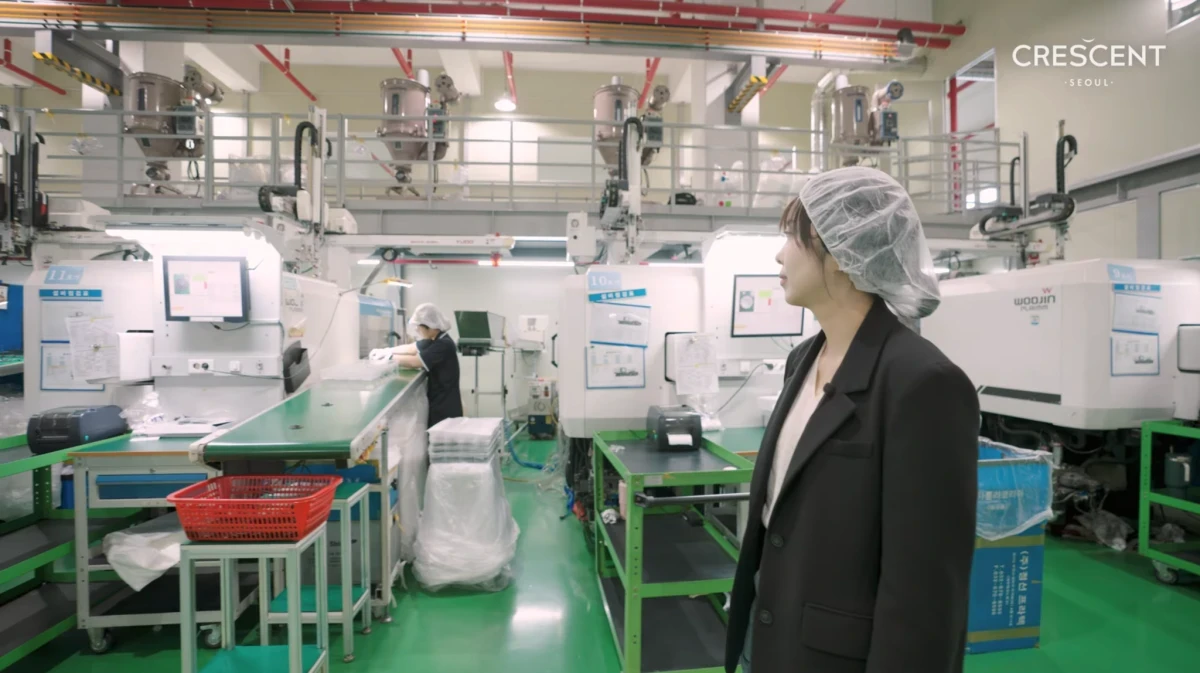
Formula and packaging are separate in Korea, and that's a strength. In China, one factory often handles both the formula and the packaging in-house. Korea splits them: the cosmetics manufacturer develops the formula, and packaging comes from dedicated packaging specialists. Because each side does only what it does best, the depth on both is higher. The formulation houses push actives and textures, and the packaging suppliers refine finishes, structures, and detail that a do-everything factory rarely matches. The trade-off is coordination, since a Korean project means running a formula partner and a packaging partner in parallel rather than dealing with one contact, which is exactly the gap a coordination partner closes.
Why one company splits into so many. Korea's largest manufacturers tend to break their business into separate, function-specific companies. Cosmax, one of the world's largest cosmetics ODMs, is a clear example: finished cosmetics sit in Cosmax itself, health supplements in Cosmax NBT, containers and specialty filling in Cosmax Neo, and sheet masks in Cosmax iCure. The takeaway is that Korea's manufacturing base isn't built around "one factory does everything." It runs as a dense network of specialized companies, each handling one stage.
That structure also points to where the industry is heading. The largest ODMs are moving past pure manufacturing toward "total solutions" that fold in brand planning and global regulatory work, and toward more overseas production bases (Cosmax is expanding across Indonesia, China, and Thailand, using Indonesia as a base for halal and vegan clean beauty). At the same time, as K-beauty exports shift toward indie brands, the center of gravity is moving toward high-mix, low-volume production and specialized areas like clean, vegan, and sustainable formulation. The competitive edge ahead is likely to come less from scale alone and more from depth in a specific formula type, category, or market.
Where Korea's manufacturers sit globally. Korea's big three aren't just big at home. Cosmax is one of the largest cosmetics ODMs in the world, and Kolmar and Cosmecca rank among the global leaders too. (Global rankings vary by source, since US-based contract manufacturers like KDC/One are also among the largest, so it's most accurate to call Cosmax one of the world's top cosmetics ODMs rather than a single undisputed number one.)
Seeing the list and reaching it are two different things
One thing worth setting expectations on: knowing who the manufacturers are doesn't mean they'll work with you. The larger and more in-demand a Korean manufacturer is, the more it chooses its clients rather than the other way around, and the big names on this list rarely take a first-time brand that emails in cold. Getting a reply generally takes a clear product brief, a realistic order quantity, and a credible sense of the process. We cover why top-tier manufacturers don't reply, and how to change that, in a separate guide.
Certifications, and which market each one is for
Certifications decide where you can legally sell and what you can claim, and they vary by market. A manufacturer that's right for the US may need extra steps for the EU, so it helps to know what each one actually covers before you start.
-
ISO 22716 is the international good-manufacturing-practice standard for cosmetics. Treat it as the baseline. A serious manufacturer holds it, and it underpins most other approvals.
-
CGMP is the US current good-manufacturing-practice standard, enforced by the FDA. It matters most for the US market and is required for OTC products.
-
COSMOS / Ecocert govern organic and natural claims, and are the references for the EU. If you want to call a product "organic" or "natural" in Europe, this is the layer that backs the claim.
-
Vegan and Halal are certified by market-specific bodies. They're worth pursuing only when your positioning or target market calls for them, since each adds its own audit.
-
FDA OTC applies to over-the-counter categories, sunscreens above all. US sunscreens are regulated as drugs, with specific active-ingredient and labeling rules, which is part of why SPF is a heavier first launch.
The practical point is to work backward from where you'll sell. The target market sets the certifications, the certifications narrow the manufacturers, and only then does the shortlist make sense.
What to look at when you choose
Beyond certifications, a short checklist for reading any manufacturer against your own brand:
-
Specialty fits your product. A color house is the wrong home for a fermentation serum, and a sheet-mask specialist is the wrong home for a cushion. Start from what you're making, and match it to where that manufacturer is deep.
-
Scale fits your stage. The largest names rarely take a first-time brand directly. Knowing which tier realistically fits you saves months of chasing one that won't reply.
-
The hero product is realistic for a first run. Some categories are heavier to launch with. Sunscreen, for instance, is regulated as an OTC drug in the US, which raises both cost and timeline, so it's often not the right choice for a first SKU even when it's the eventual goal.
The most common mistake is starting from the factory instead of from the brief. Decide what you're building and where you'll sell it first; the right tier and the right partner follow from that.
Where Crescent Seoul comes in
Reading this landscape is one thing; getting into the right part of it is another. The strongest manufacturers in Korea often don't take direct overseas inquiries, formula and packaging have to be sourced and coordinated separately, and matching a brand to the right tier and specialty takes knowing the field from the inside. That's the part we handle. We connect global indie brands to the right manufacturer for their product, source packaging alongside it, relay feedback to the factory quickly and accurately, and bring samples together so you can compare in one round.
Most of what's on this page is the kind of thing you learn by doing it repeatedly: which house is genuinely deep in a category, which tier will even reply to a first-time brand, where a project tends to stall between a formula partner and a packaging partner. That's the vantage point we work from.
If you're not sure which manufacturer actually fits your brand, or how to reach them, get in touch.