The Fastest K-Beauty Manufacturing in the World: Why It Still Feels Hard for Overseas Brands
Korea is often described as one of the fastest places in the world to develop and launch beauty products. For many local brands, moving from early planning to a market-ready launch in roughly four months is not unusual. This reputation has made K-Beauty manufacturing a global reference point for speed and iteration.
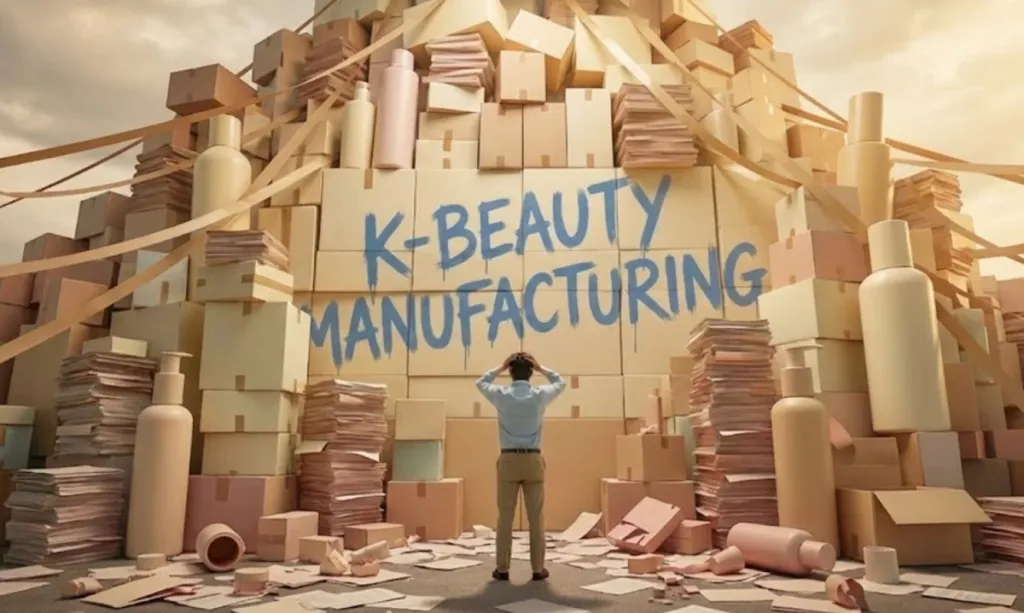
But for overseas teams, Korean cosmetic manufacturing can feel unexpectedly difficult at the beginning. Timelines may feel unclear, terminology appears all at once, and decisions seem to arrive faster than internal teams can align. The paradox is simple: the same system that creates speed can also create friction when you’re new to it.
Why K-Beauty Manufacturing Moves So Fast
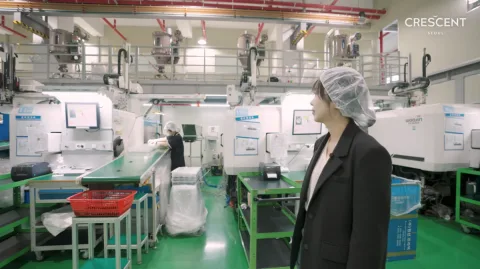
Korean manufacturing speed comes from a highly connected ecosystem designed to run multiple workstreams in parallel. In a strong OEM/ODM Korea environment, formulation, packaging sourcing, testing, and export readiness are often coordinated as one system rather than isolated steps. That structure is what makes the “fast cycle” possible.
Key reasons Korea can move quickly:
- Dense OEM/ODM network: formulation labs, packaging suppliers, testing, and logistics are already connected, so work can happen in parallel.
- High iteration culture: fast feedback and rapid revisions are assumed as a default workflow.
- Accumulated export experience: many formulations, packaging formats, and documentation flows have been proven across multiple markets, reducing trial-and-error when used correctly.
Why Overseas Brands Often Struggle in Korean Cosmetic Manufacturing
For first-time overseas brands, the same ecosystem can feel opaque. Many of the “obvious” rules in Korea—how MOQ is viewed, how production slots work, why pricing is ballpark early—aren’t explained unless you already know what to ask. The result is often misaligned expectations rather than poor execution.
Common sources of friction for overseas brands:
- Information asymmetry: it’s hard to intuit how factories think about MOQ, production scheduling, and pricing logic without prior exposure.
- Process complexity: concepts like formulation development, CT (container compatibility testing), PPS (pre-production sample), and packaging specification documents surface early and can feel overwhelming without a map of how they connect.
- Communication gaps: brands describe products in consumer language (“hydrating,” “non-sticky”), while manufacturers need producer-language inputs (benchmarks, constraints, claims priorities, usage directions).
- Speed mismatch: Korean teams often move quickly once a direction is clear, while overseas teams may need time for internal approvals and international sample shipping—creating delays that can affect priority and timelines.
What This Guide Is (and Isn’t)
This is not a factory directory or a “place an order” checklist. It’s a structure-first guide to help overseas brands understand how K-Beauty manufacturing actually works before sending their first production request. The core shift is moving from a consumer mindset to a producer mindset—because cost, lead time, testing, and packaging decisions are interconnected long before mass production starts.
What We’ll Cover Next
This series will break the first-time manufacturing journey into the concepts that matter most:
- Cost drivers: what truly drives unit cost and why exact pricing can’t be answered upfront.
- Lead time: how timelines work across the full NPD journey, not just production weeks.
- Pre-production: what must be finalized before manufacturing begins to avoid expensive rework.
- Common mistakes: the repeated traps that slow down first-time overseas projects in Korea.
Once these foundations are clear, the next step becomes practical: writing a Product Brief manufacturers can actually work with.
Read next: How Cosmetic Unit Cost Is Built: The 3 Cost Drivers in Korea