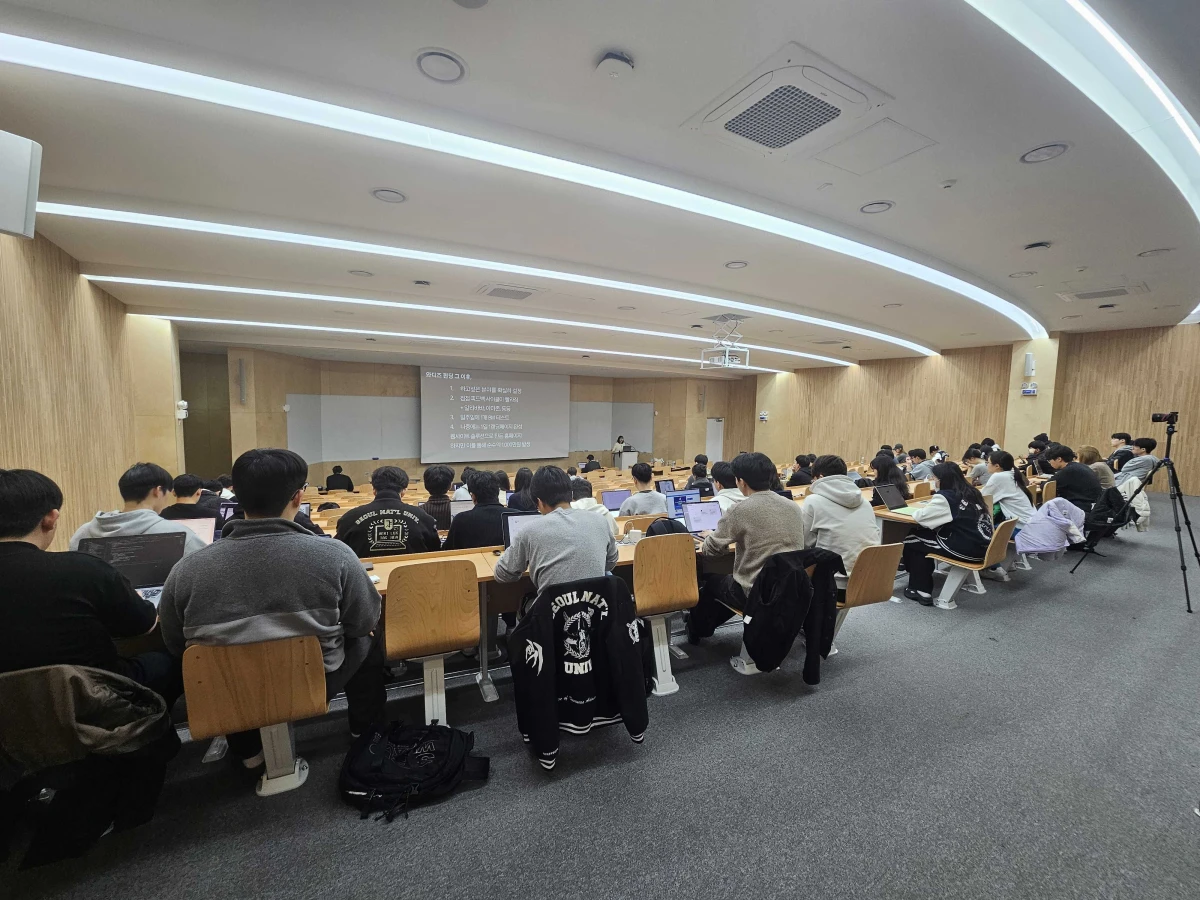
Earlier this year our CEO, Jenny, was invited to speak at Seoul National University, Korea's most prestigious university, to students and aspiring founders thinking about building their own beauty brands. It's a talk she has given in different forms before, including a session on cosmetics startups at Ewha Womans University.
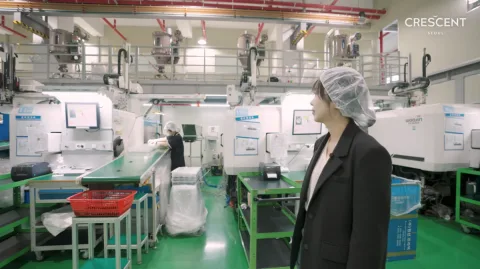
The questions that come up are remarkably consistent. First-time founders tend to arrive with the same handful of practical worries about how making a cosmetic product in Korea actually works — not branding theory, but the mechanics: order quantities, timelines, how Korean factories operate, and what to do when you finally reach out to one. Those questions are worth answering directly, because the answers are exactly what separates a smooth first production from an expensive one.
Here are the ones that come up almost every time.
"What's the minimum I'd have to order?"
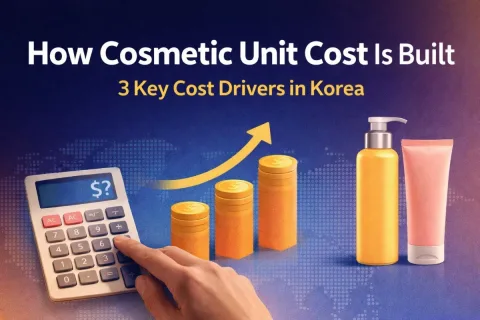
This is usually the first question, and it's often framed the wrong way — as something to push as low as possible. In Korean manufacturing, a very low order quantity rarely works in a founder's favor. Most setup costs (raw material mixing, machine calibration, packaging setup) are fixed, so cutting the quantity doesn't cut the cost proportionally — it mostly raises the price per unit. Smaller runs also tend to carry more quality variation, since they're produced on smaller lines, and they can leave a new brand out of stock before it builds repeat customers.
So the point we make to founders is that the question isn't only "how low can it go" — it's finding the right manufacturer for the size you're actually starting at.
"How does the process actually work?"
Most people picture one factory that does everything. In Korea it's a sequence across several specialists: you start from a product idea, find a manufacturer whose formulas and category fit it, request and test samples, settle the formula, source packaging through separate packaging suppliers, handle the testing and certifications for the markets you'll sell in, then move into production and shipping.
Each step carries its own timeline, and the handoffs between them — especially between the formula maker and the packaging suppliers — are where first-timers tend to lose weeks. We walk through the full picture, with realistic timelines and costs, in our K-Beauty Manufacturing Guide.
"How long does it take?"
Faster than most people expect, but not as instant as the headlines suggest. From formula approval to shipment is around eight weeks; a full launch, including development and packaging, usually fits into a six-month cycle when the project runs smoothly.
The part founders rarely anticipate is what stretches that timeline: packaging is often the slowest piece, and Korea's holidays matter more than they'd guess. Factories close for several days around Chuseok and Lunar New Year, and many pause for a summer shutdown — miss those in your planning and a schedule can slip by weeks.
"What's different about working with Korean factories?"
Two things founders notice quickly. First, the pace: Korean factories work on fast, daily feedback cycles, and they expect the same in return — if your replies go quiet, it can be read as the project being abandoned, and you can lose your production slot. Second, the relationship. The best factories treat a project as a partnership, not an order form. Founders who share their brand vision and intent tend to get the factory's best people on their project; those who treat it as a transaction often get deprioritized.
"What should I do when I actually contact a manufacturer?"
The manufacturers worth working with choose their clients, and a vague inquiry rarely gets a reply. What gets a response is a clear brief: what you're making, who it's for, a realistic order size, and a sense that you understand the process. The more concrete you are, the more seriously you're taken — which is really just the partnership point applied to the first email.
Getting it right before you start
The founders who do well here are the ones who understood how the work actually runs before they started — which is most of what these talks, and posts like this, are for.
If you're thinking about making your own beauty product in Korea and aren't sure where to start, get in touch.